



Dan was good enough to phone in from his family vacation in Kefalonia, an Ionian island with—he tells us—dazzling beaches, murderous roads, and a shockingly ugly history, one I knew nothing about A very appropriate place from which to survey a world that’s once again discovering what happens when alliances disintegrate and great powers begin improvising.
Trump has declared the Strait of Hormuz an American possession. He’s threatened to bomb Oman. He’s astonished to discover that allies who have been insulted, extorted, endangered, and threatened with invasion are not eager to salute and follow him into the breach.
Sunning himself in Greece, Dr. Pangloss is bullish about the odds that a future American president will repair our alliances. He thinks this will be “easy.” Now, I think this clearly belongs to the more optimistic branches of fantasy literature, but I admire the tenacity of Dan’s determination to believe that all will be well.
We talked about the curtailment of our exercises with South Korea, whether Ukraine can hold a legitimate election while millions of its citizens are displaced or under Russian occupation, whether Marco Rubio might be able to find his soul (has he checked under the couch cushions in the den?), and Hunter Biden’s hilarious redemption tour. Also: Why does Greece still feel unmistakably Greek even as so much of the world has become culturally interchangeable?
So enjoy a conversation from a beautiful island (and a beautiful city, too) about ugly things—war, geopolitical extortion, the betrayal of allies, and what happens when strategic orders break down. (Yes, this is what the Cosmopolitan Globalists spend our vacations talking about, too.)
Notes
The following articles will give you a sense of the likelihood that any Ukrainian who remains in the occupied zones is still a Russophile:
“They came to ‘liberate’ us and left us with nothing.” Life under Russian occupation in Ukraine
Life, death, and torture under Russian occupation In Ukraine
Silent acts of resistance and fear under Russian occupation in Ukraine
What Russian occupation is really like, according to Ukrainians who have already lived through it
Life under occupation in the Russo-Ukrainian War: Insights from activist networks
If you missed it, I wrote about South Korea at much greater length yesterday (and also wrote about the attack on Hugging Face). It’s an especially uplifting essay:

Dan’s essay about the history of Kefalonia is really interesting. You should read it. I didn’t know any of this before:

… On Kefalonia, some memory of the Italian killings still survives. Kosmas Theodoratos, a 30-year-old islander, told me a story passed down through a friend’s grandmother. Older villagers had claimed that after the massacre they could “smell the blood all the way to the village.”
Some photos from Kefalonia:
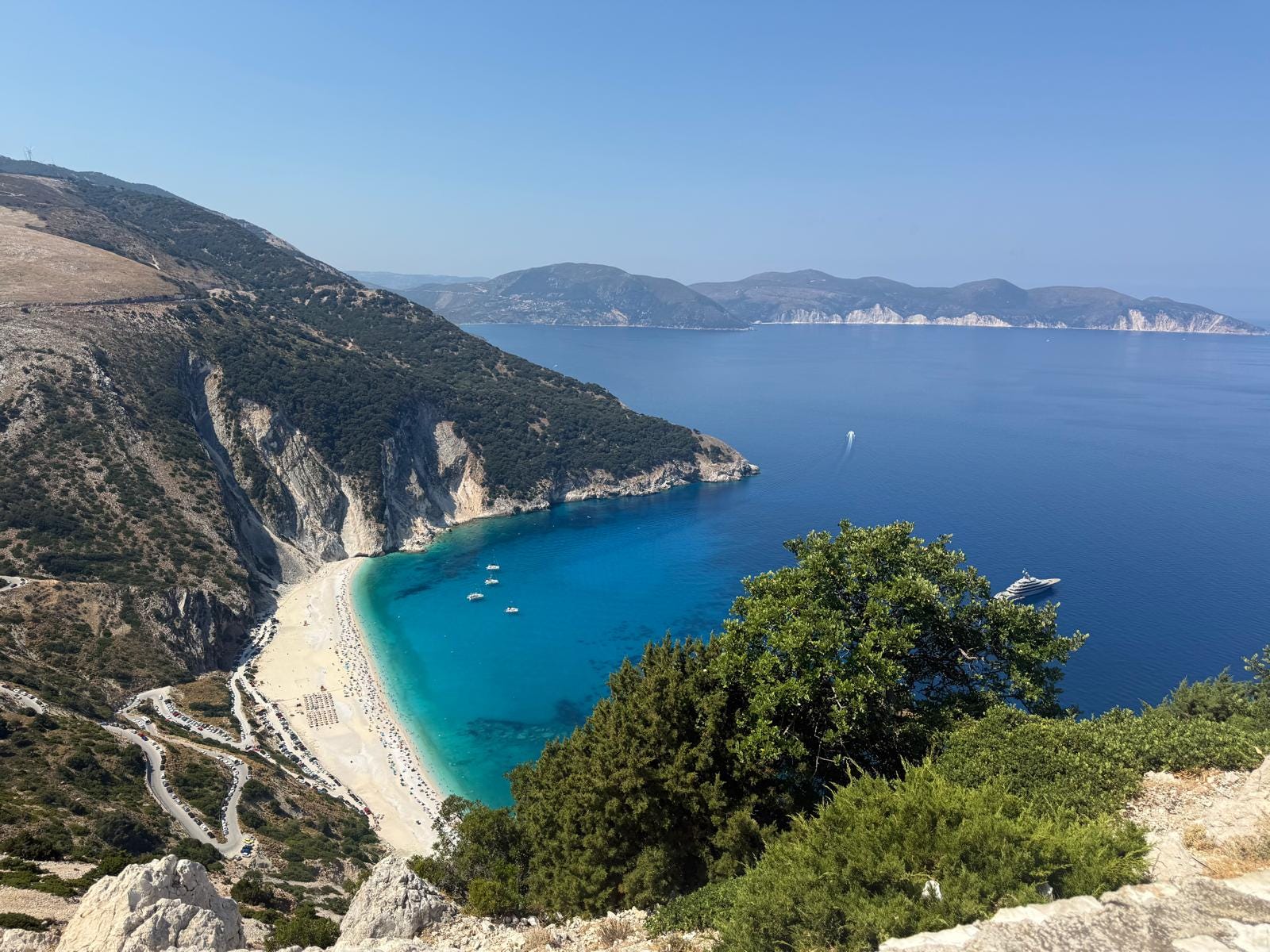
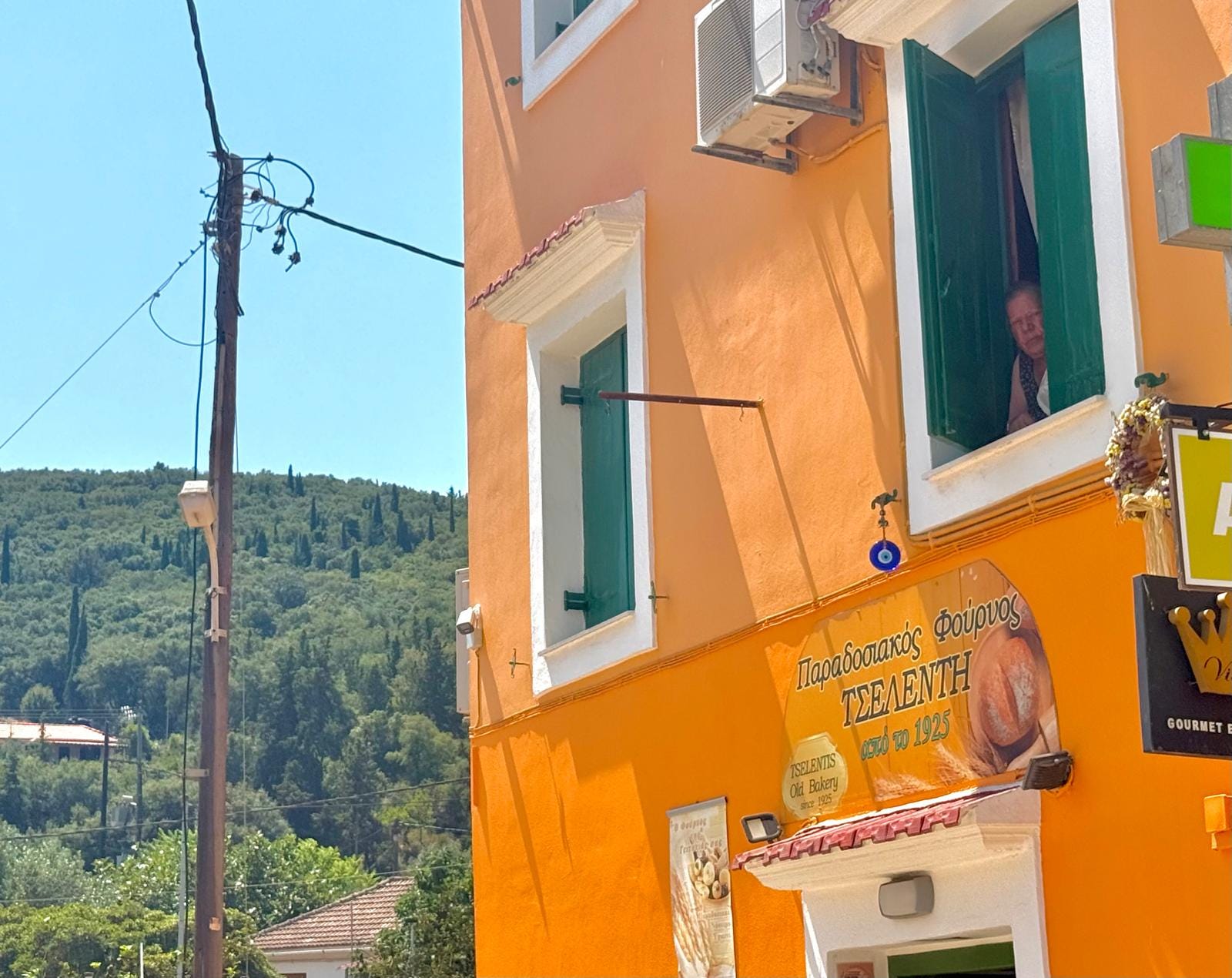
Toward the end, there’s this scene:
… One bartender asked me where I lived, and I told her Tel Aviv, which as some readers will know is my base. She replied with a bitter smile, “I support the other side.” I asked her why. “Genocide,” she said. “You have strong opinions about a conflict you probably know very little about,” I pressed. “Do you really think that, of all the wars in the world today, this is the only one that is a ‘genocide’—like the Armenian genocide, like the Holocaust, like Rwanda?” She did not answer. I said to her, “There’s someone standing in front of you who came from there this week. Do you want to hear what I have to say?” She said yes. We talked for ten minutes, and I explained my perspective as best I could. Readers will know it to include nuance, but also principle that can border on stridency.
I admire the way Dan can have these conversations without flipping his wig.


